Converting carrier PoP to a datacenter
Preserving Tyler's internet access.
The carrier leasing the 3rd floor was unable to continue operating in Tyler. Closing this operation and rerouting fiber around Tyler would have bypassed the city of Tyler, removing key fiber transport connections to Dallas, Shreveport, and Houston. Losing those connections would have significantly affected internet service and network reliability for Tyler and surrounding communities.
Tyler Vault took over the carrier Point of Presence (PoP) lease with the help of Patriot's Tower so the carrier PoP could continue operating in this area. What began as a carrier PoP was quickly upgraded into a true local datacenter with major improvements to power, monitoring, cooling, racks, lighting, and overall facility reliability while maintaining its original PoP function.
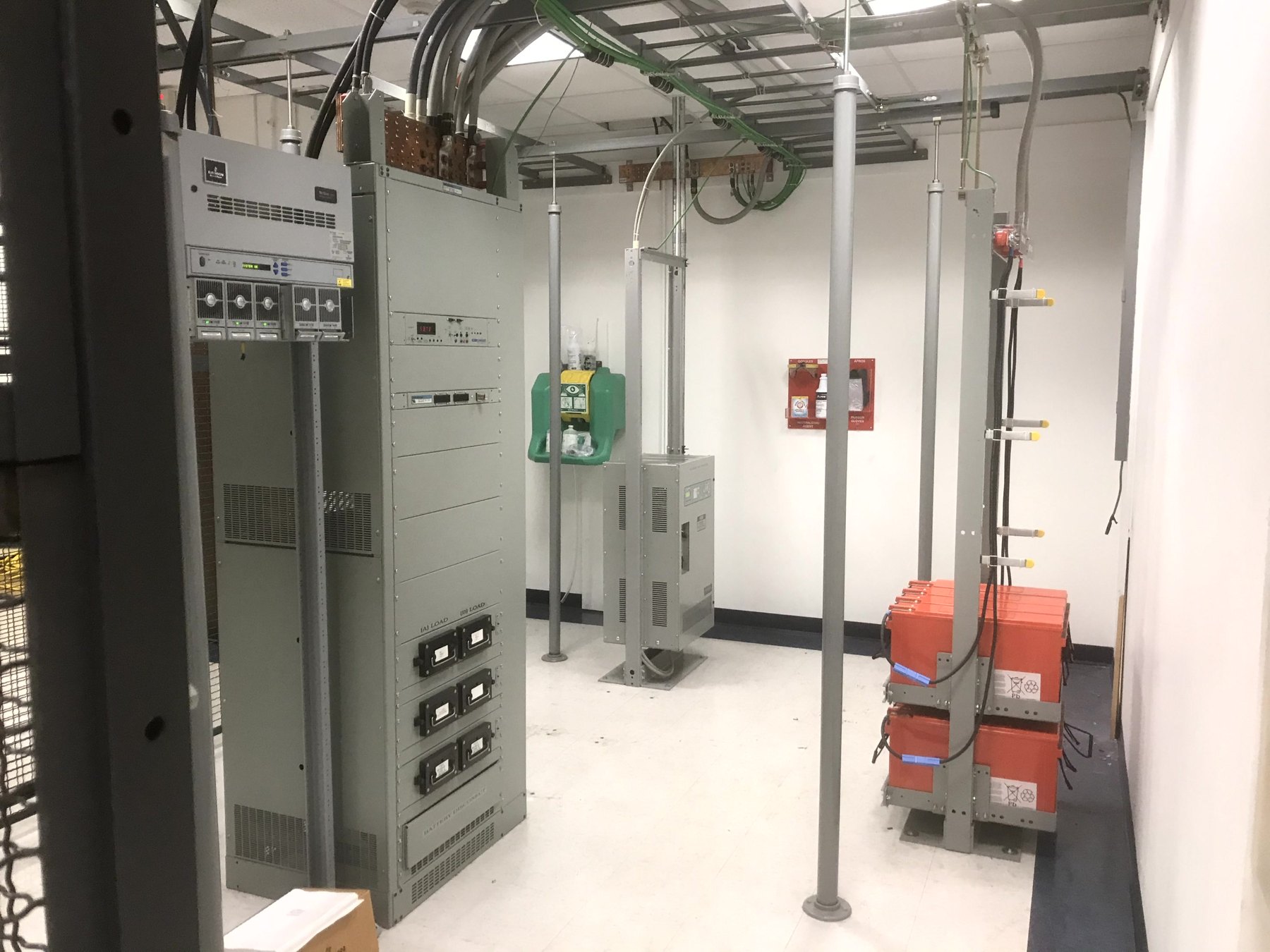
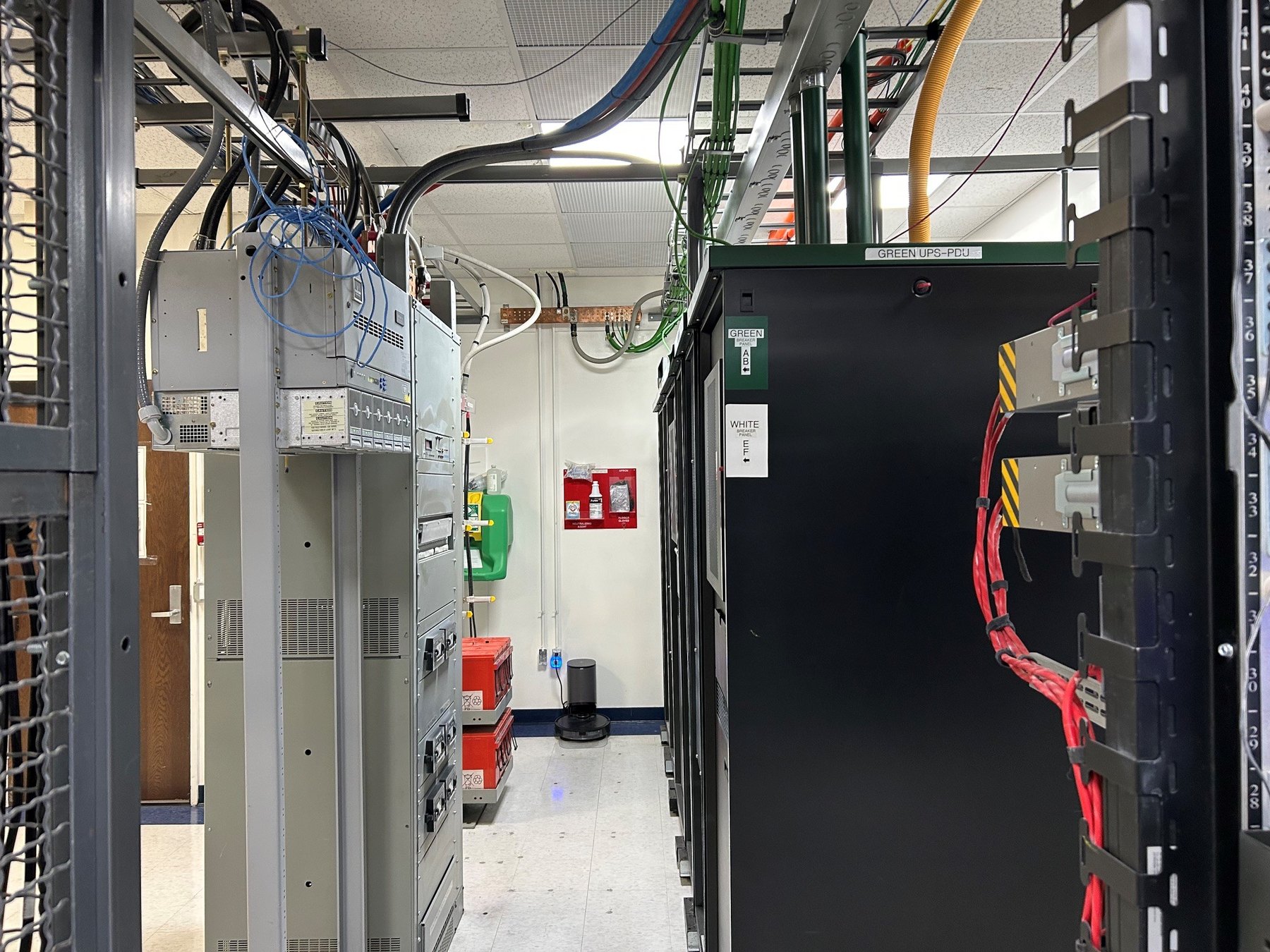
The existing DC power plant was maintained so Tyler Vault could continue supporting services for the major carriers that depend on the facility. Over the last few years, the datacenter has become a local “meet-me” location where carriers can interconnect, exchange services, and support reliable, low-cost connectivity throughout the Tyler area.
Cooling design
Hot-aisle / cold-aisle airflow.
Tyler Vault upgraded the datacenter cooling system and reconfigured it using a proper hot-aisle / cold-aisle design. This improves airflow, increases cooling efficiency, and helps protect customer and carrier equipment.
During the winter months, we use outside cold air to help cool the datacenter. The excess heat generated by the equipment is then redirected into the office building where it can help offset grid load for heating needs. This creates a net cost savings for both the building and the datacenter by reducing the need for traditional mechanical cooling.
Racks and equipment rows
Built for servers, network gear, and carriers.
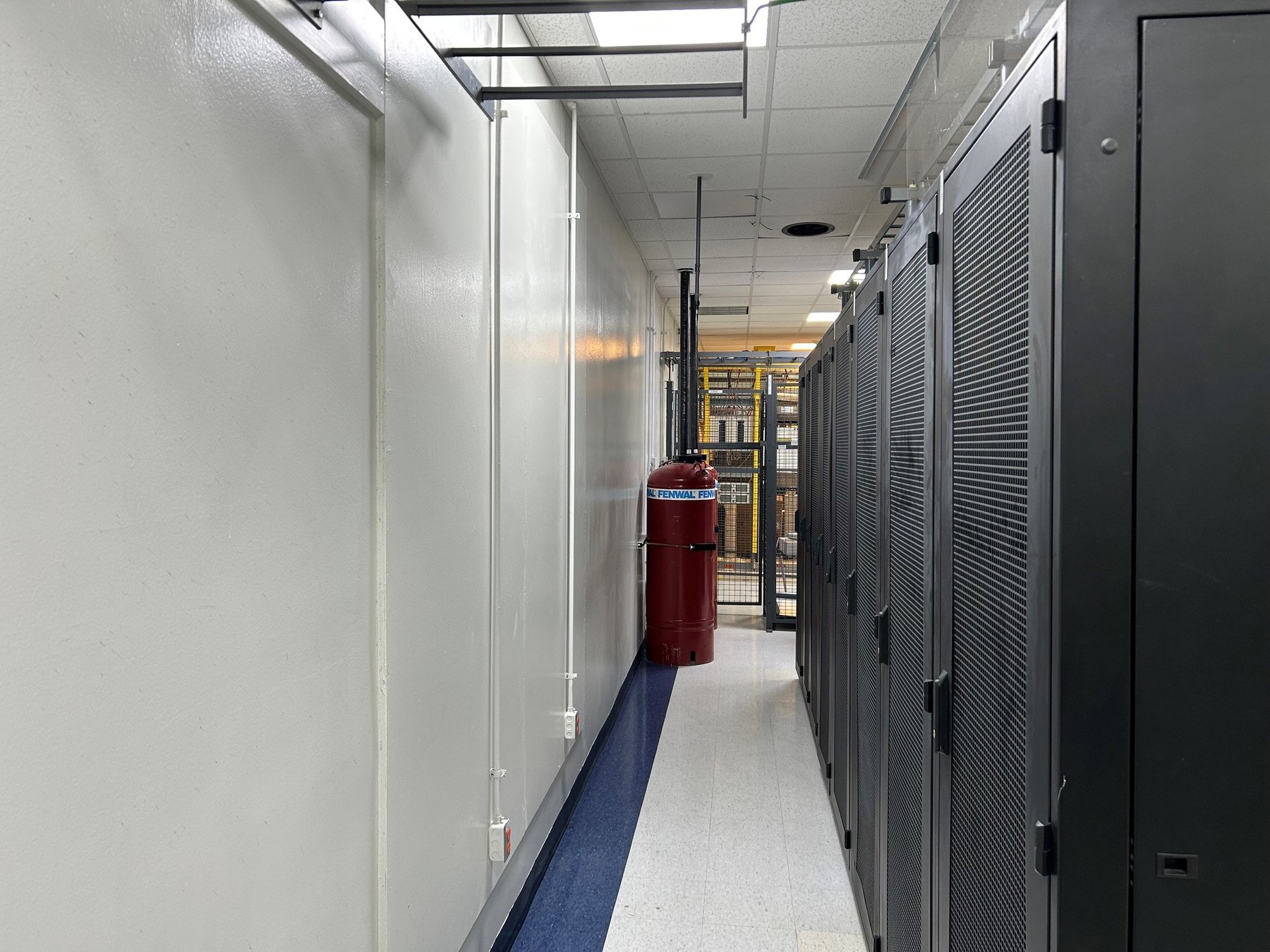
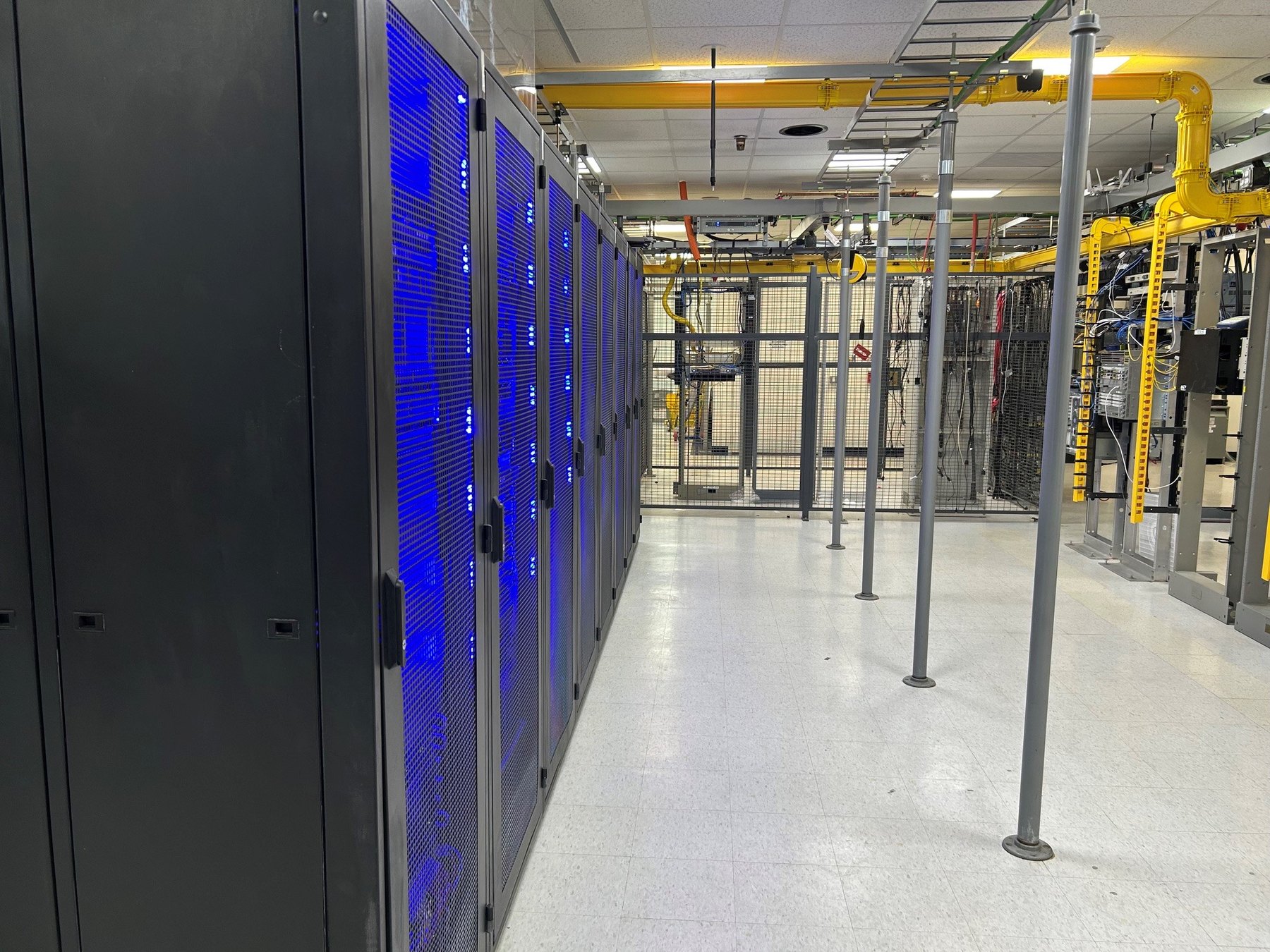
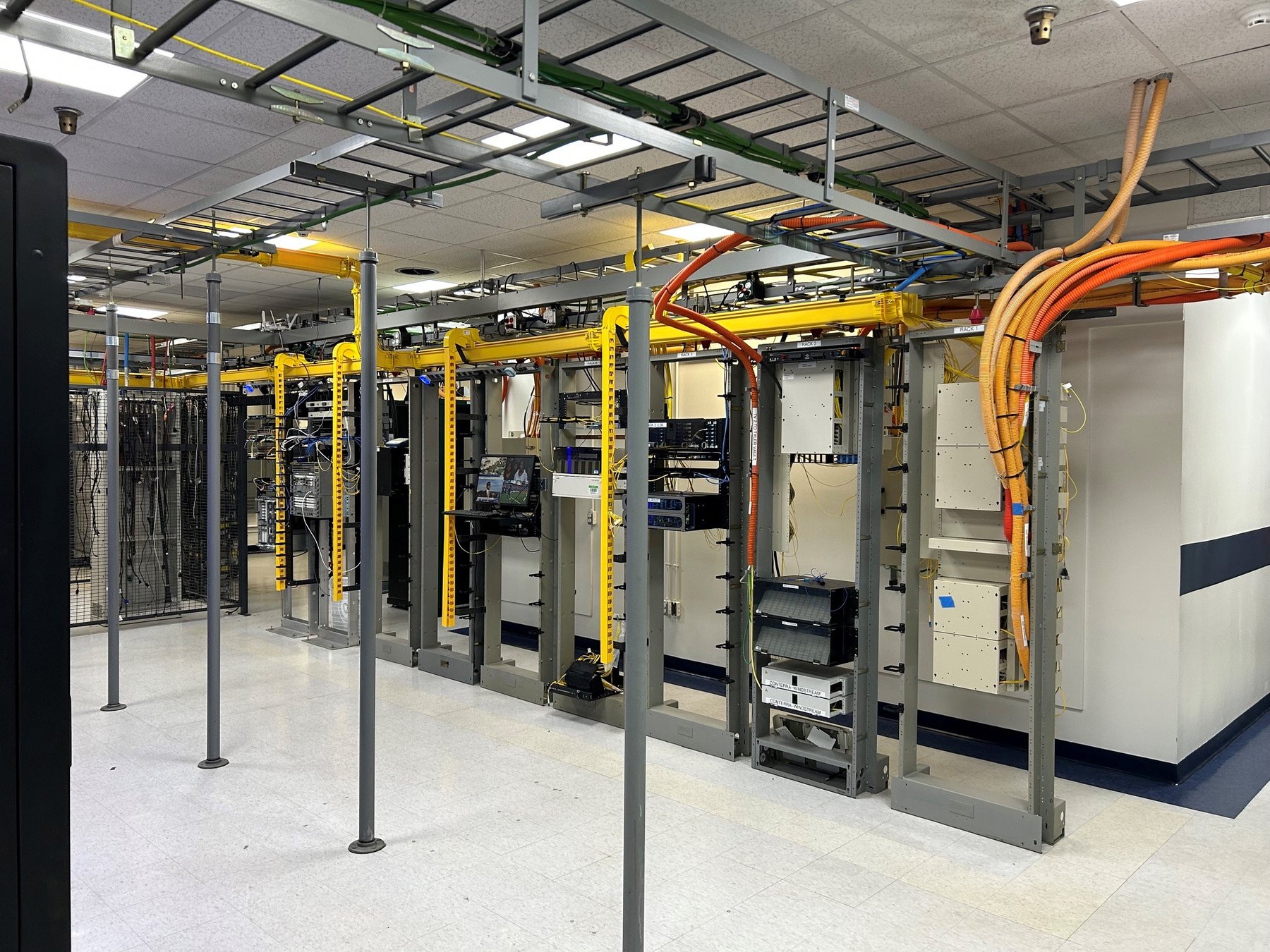
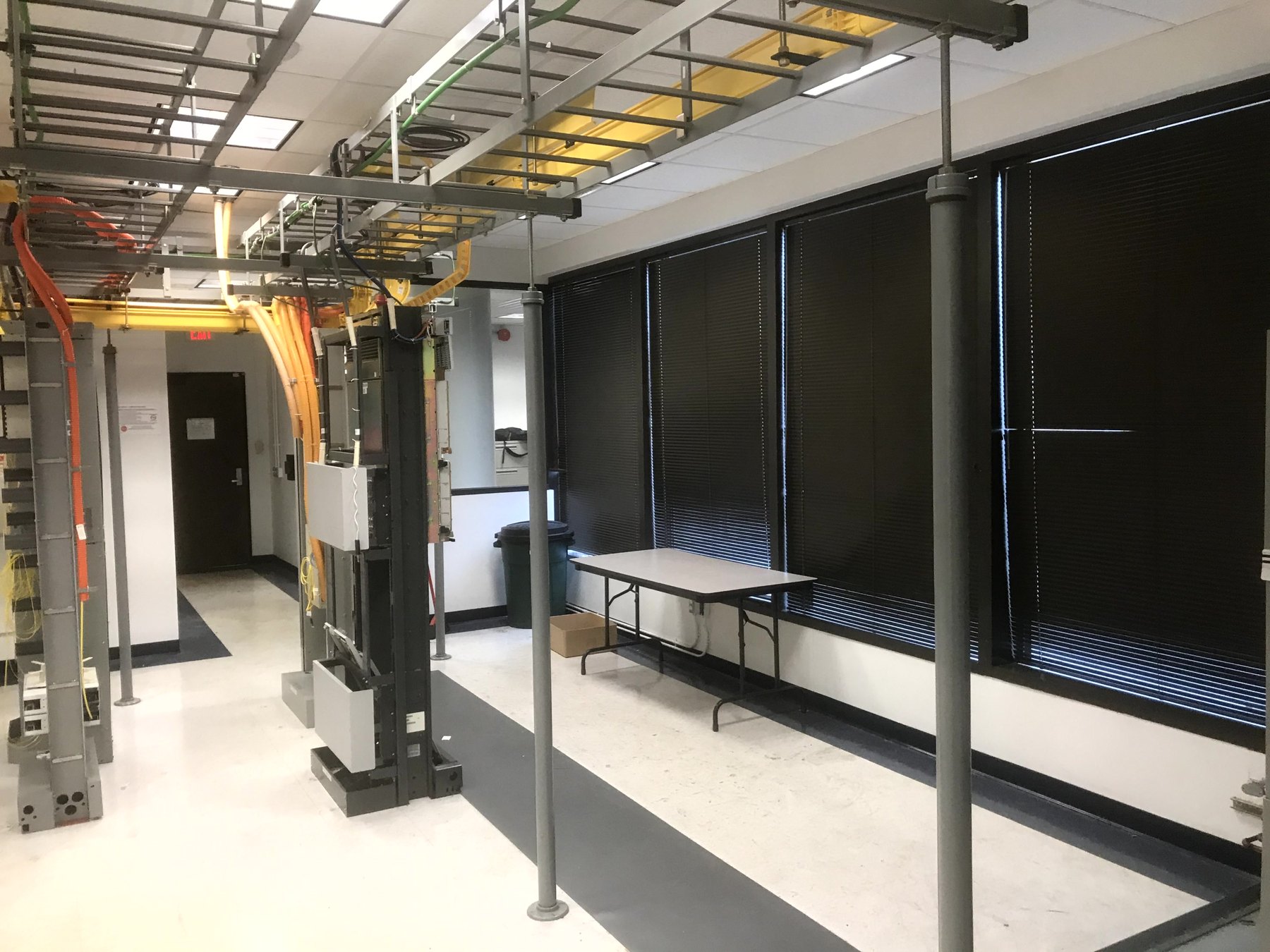
We installed extra-wide 19-inch equipment racks with dual, redundant power feeds to safely house servers, network equipment, and carrier infrastructure. This design improves reliability, organization, airflow, and serviceability throughout the datacenter.
Secure 24/7 access
Reworked cage area with monitored entry.
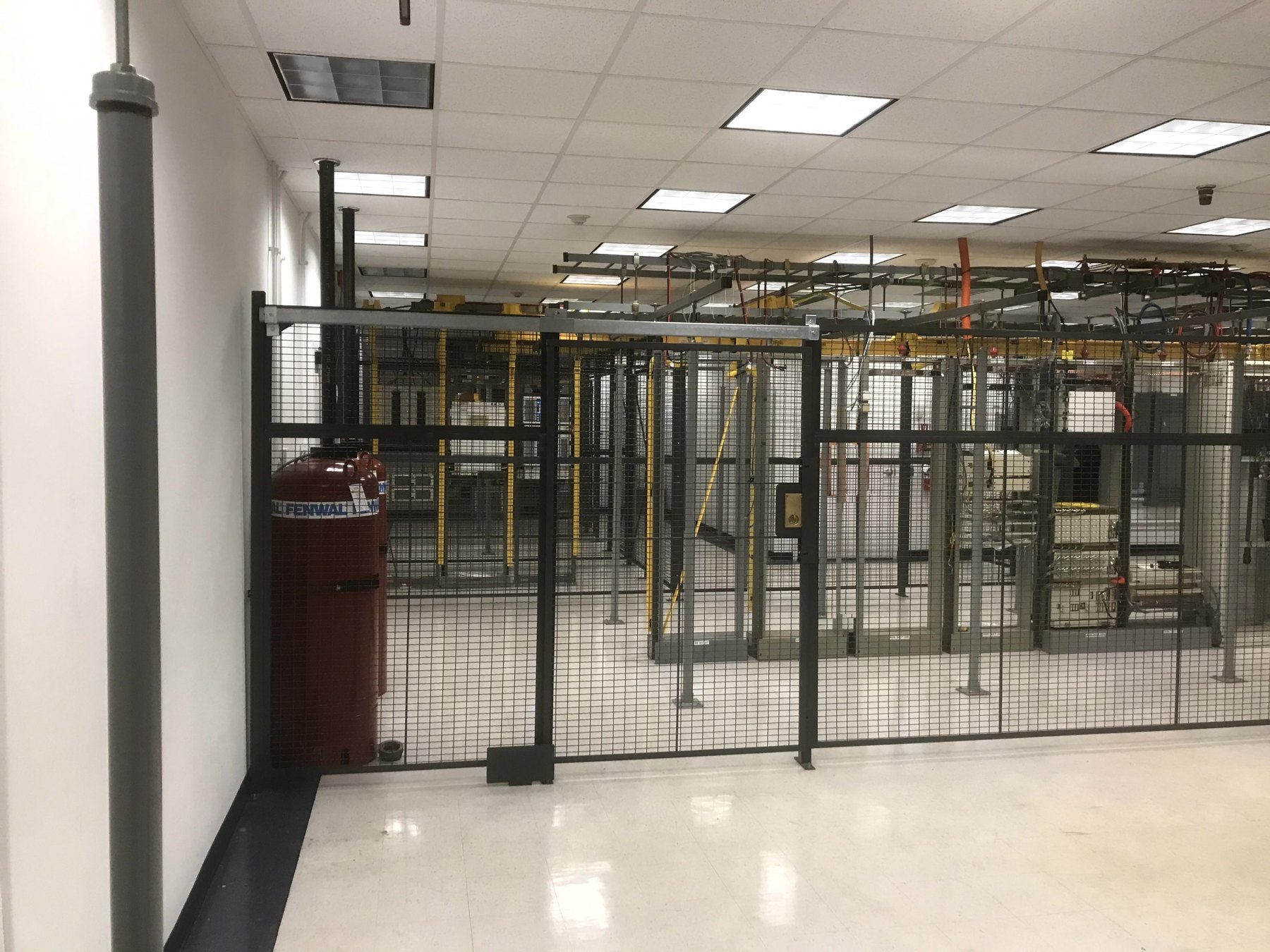
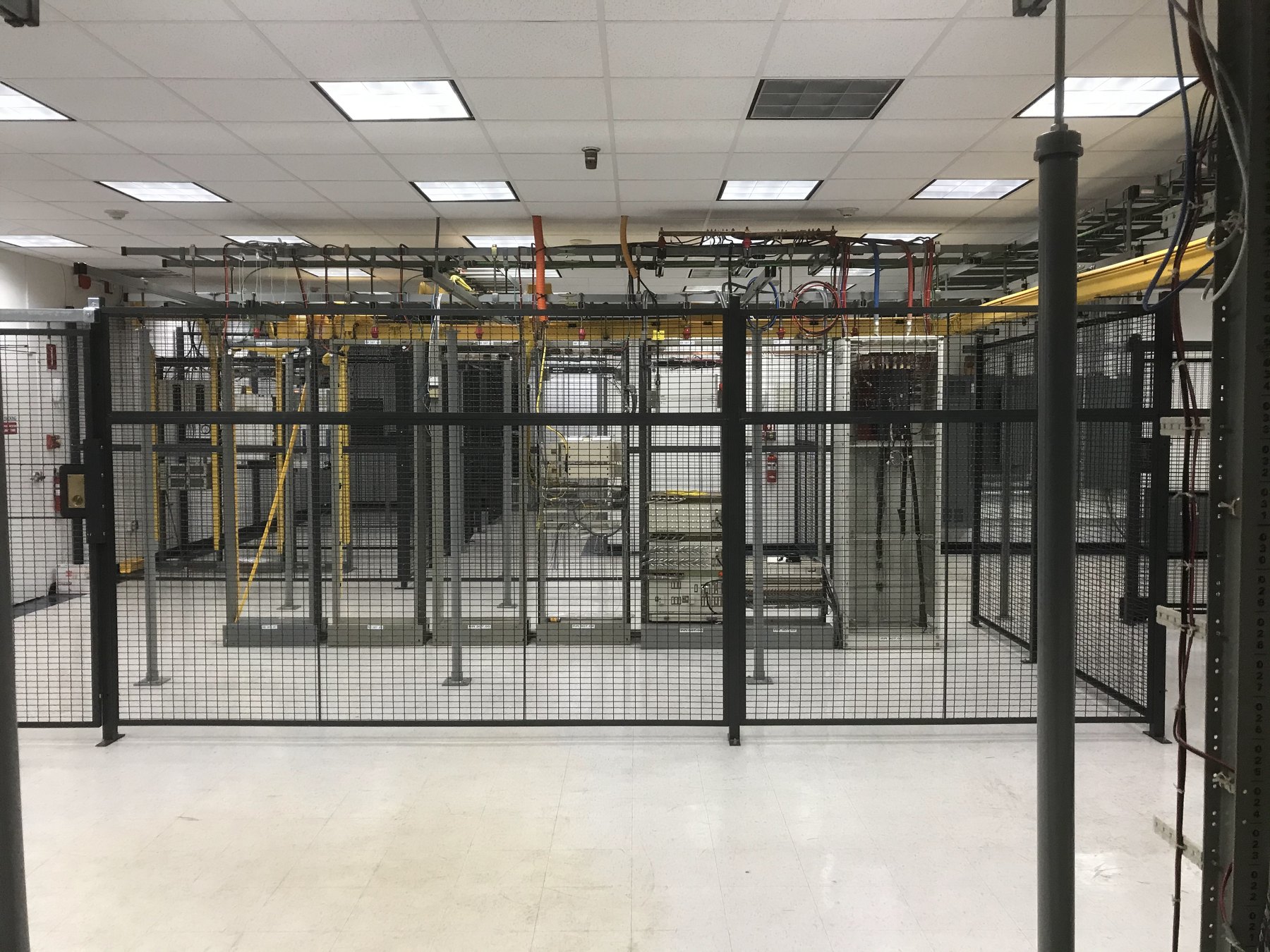
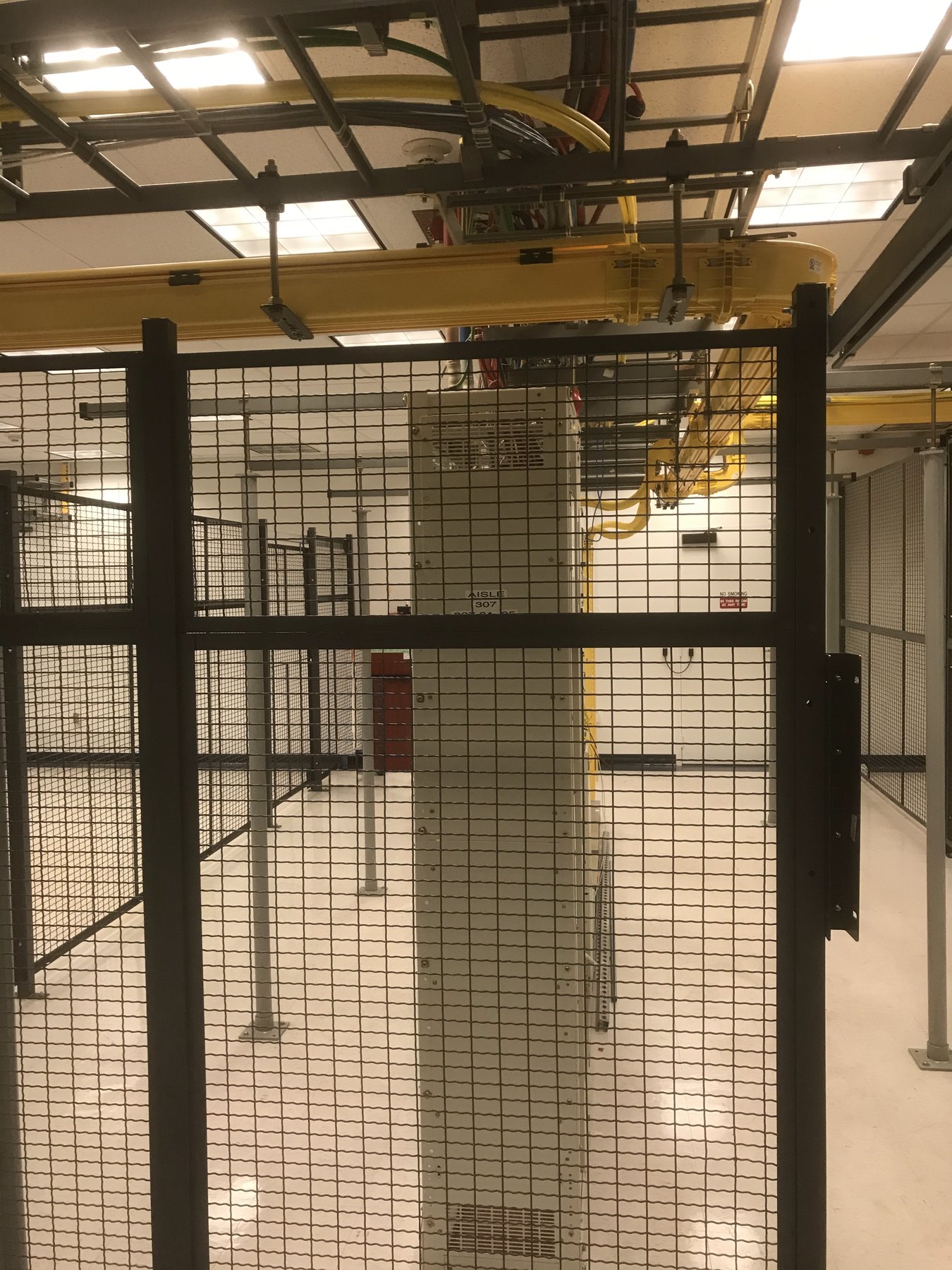
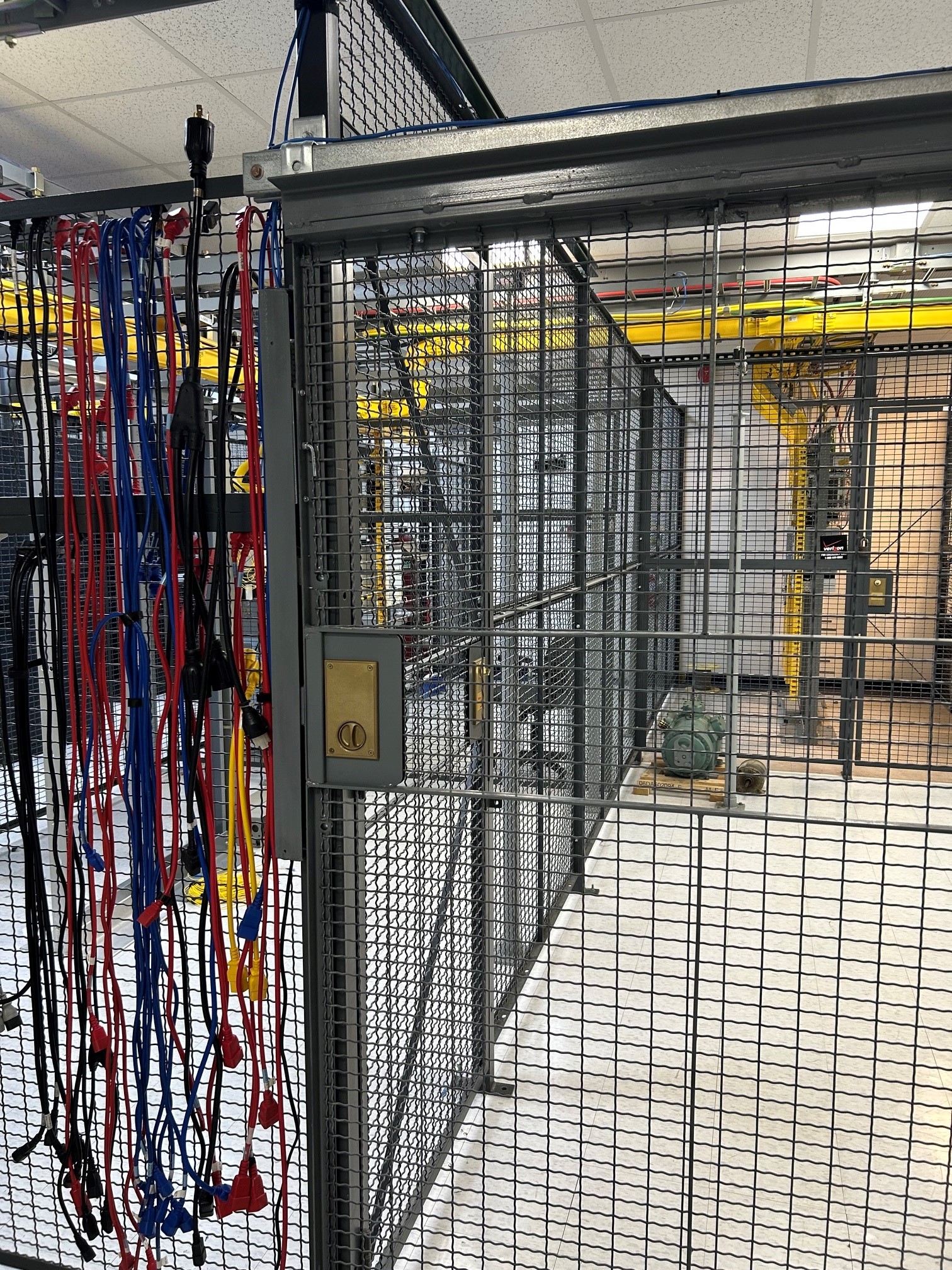
We completely reworked the cage area to better secure and isolate the 24/7 access portion of the datacenter. This allows authorized customers and carriers to access the areas they need while keeping the rest of the facility protected.
We also installed a camera system and biometric entry controls to monitor the area, strengthen access security, and improve overall visibility and accountability.
Fiber pathways
Shorter cross-connect paths and diverse routes.
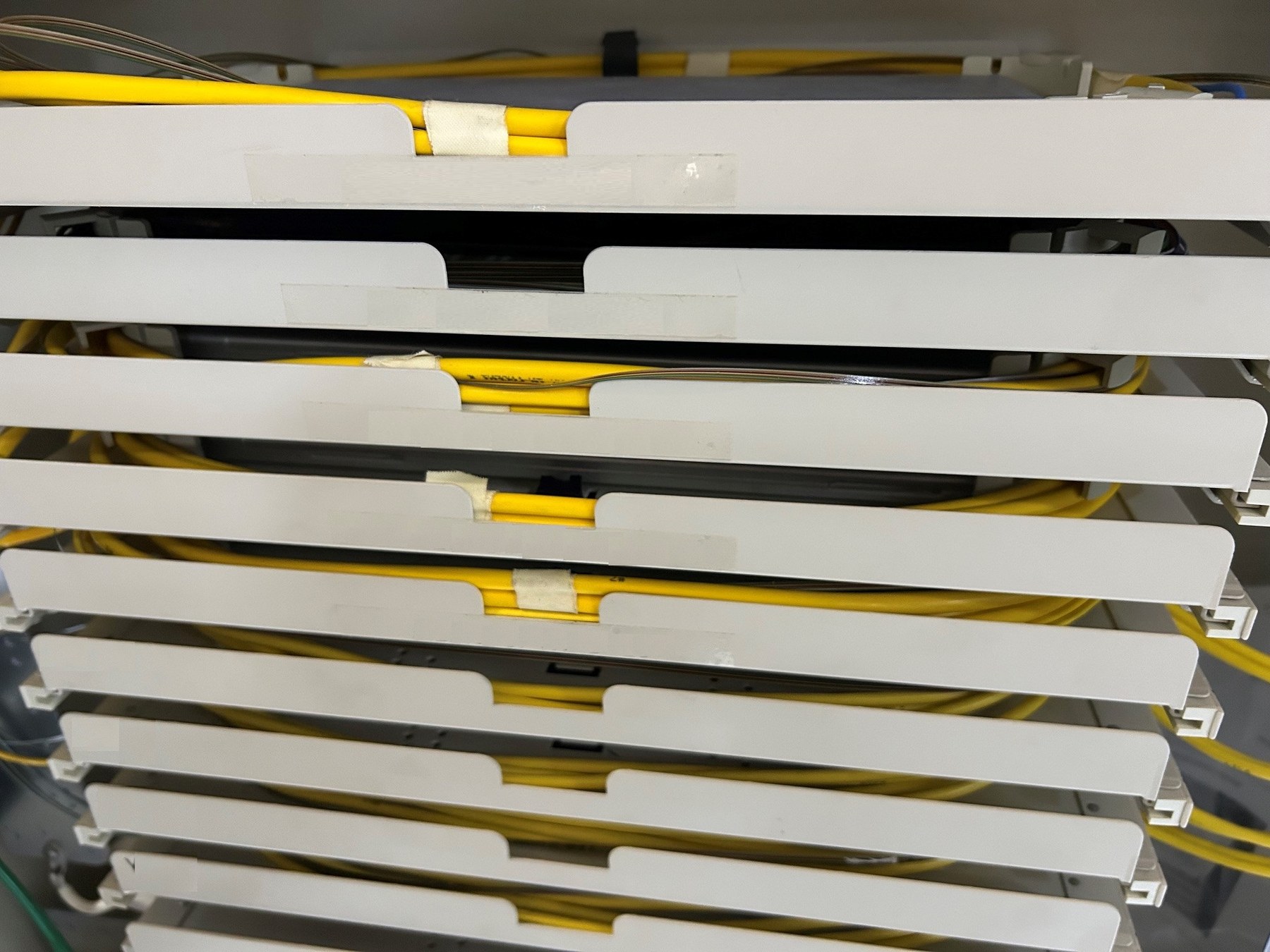
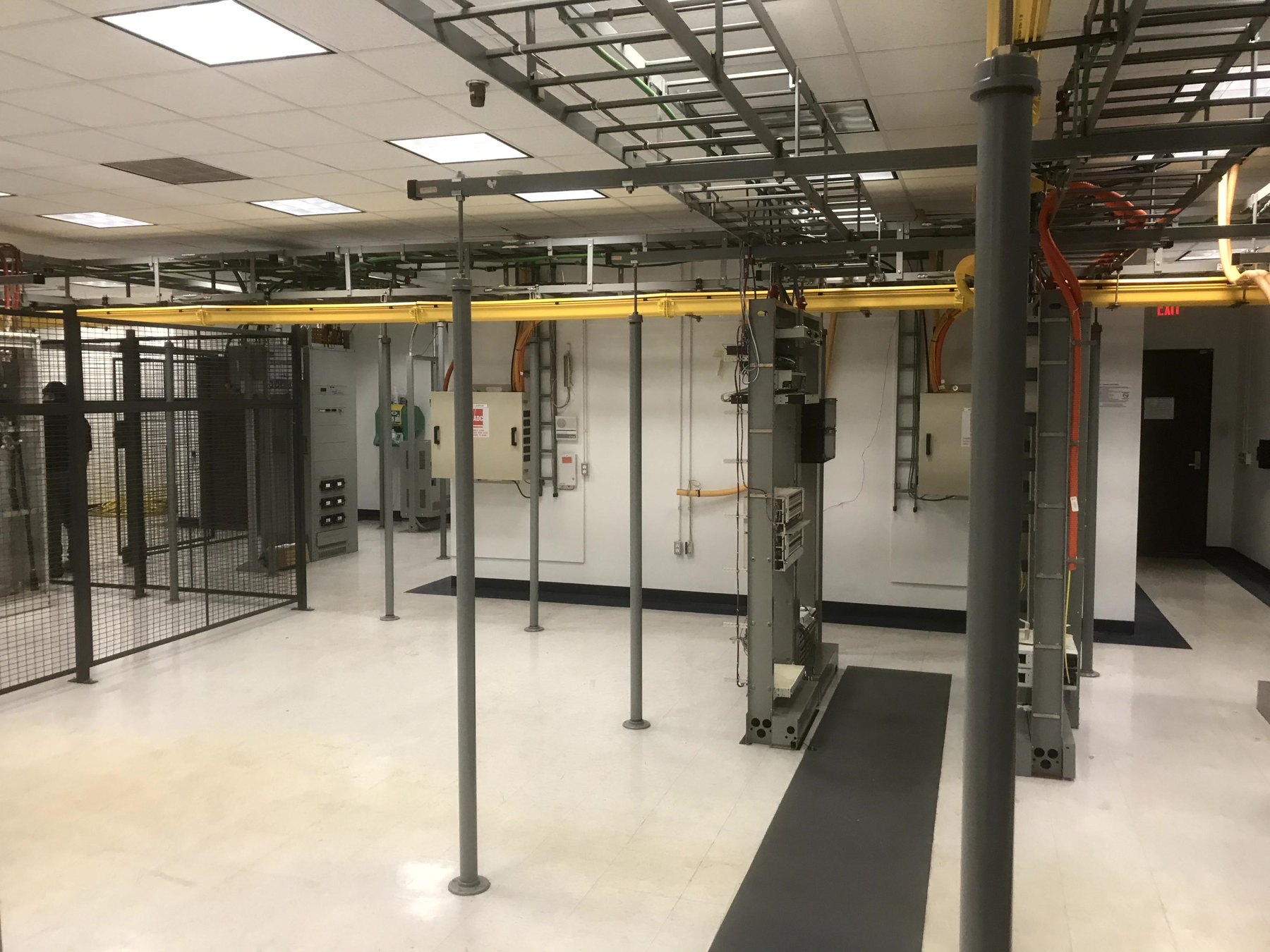
We relocated the fiber demarcation racks to create shorter, cleaner cross-connect paths between carriers and customers. This improves organization, reduces cable distance, and makes future connections easier to install and maintain.
We also upgraded the fiber pathways onto the property to support diverse network routes. In addition to installing additional fiber between the 3rd floor, the vault, and other carriers, Tyler Vault now has diverse fiber paths entering from all four sides of Plaza Tower. We also provide data paths to the roof of the 20-story building, along with local TV channel reception. These improvements help increase reliability and provide multiple routing options for carrier and customer connections.
Outside cooling and redundancy
Closed-loop cooling and added protection.
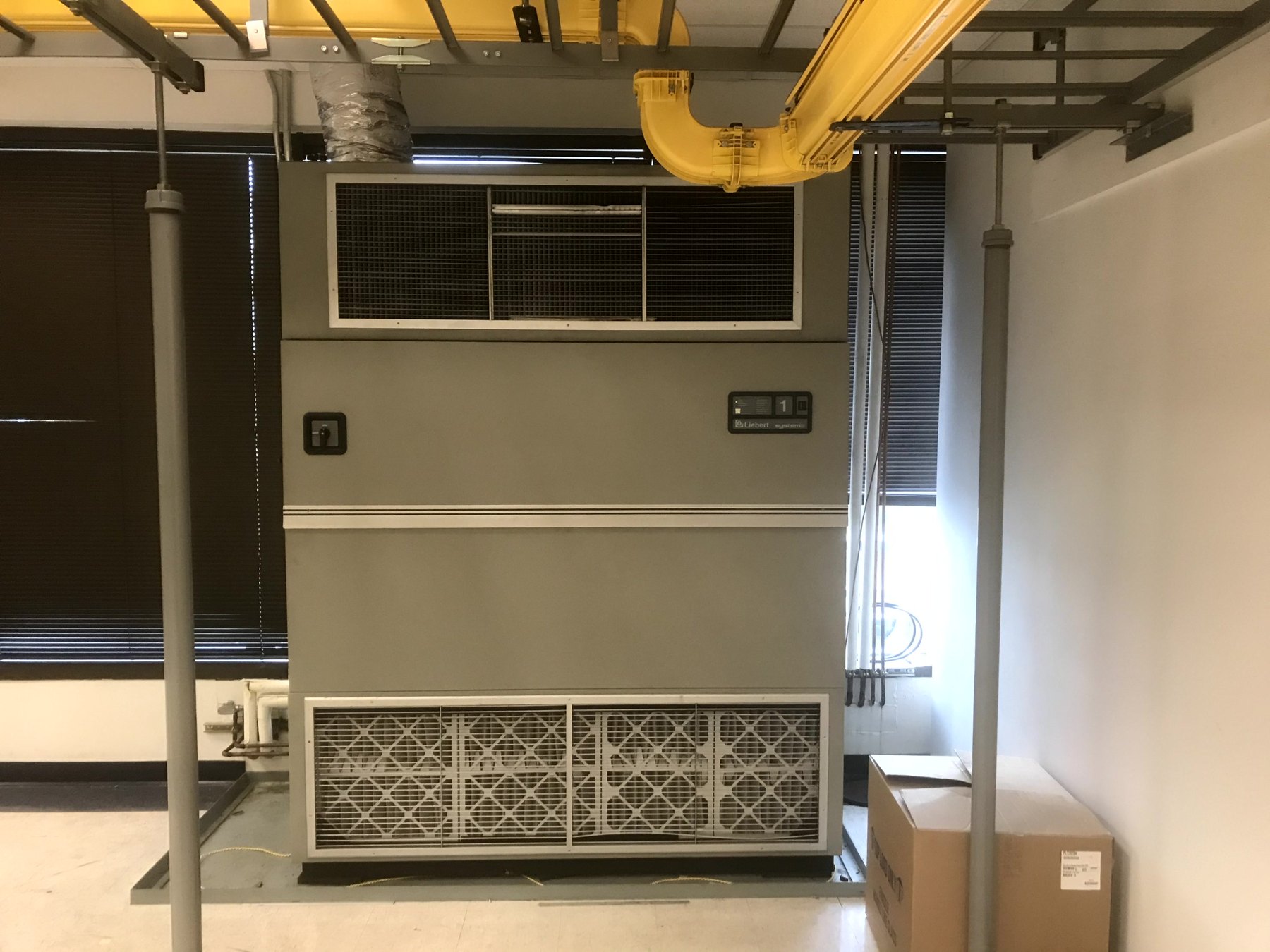
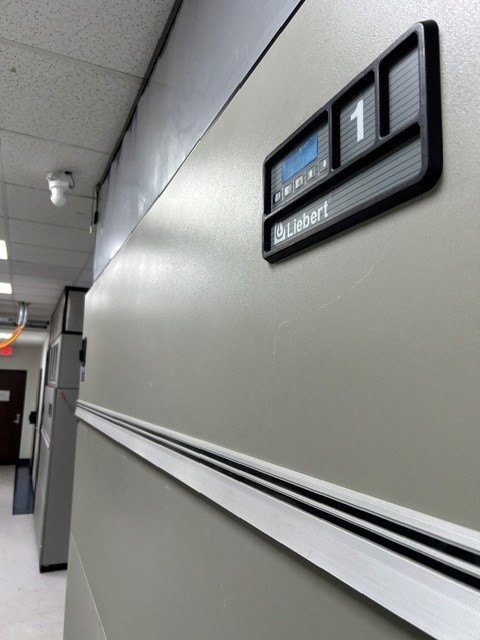
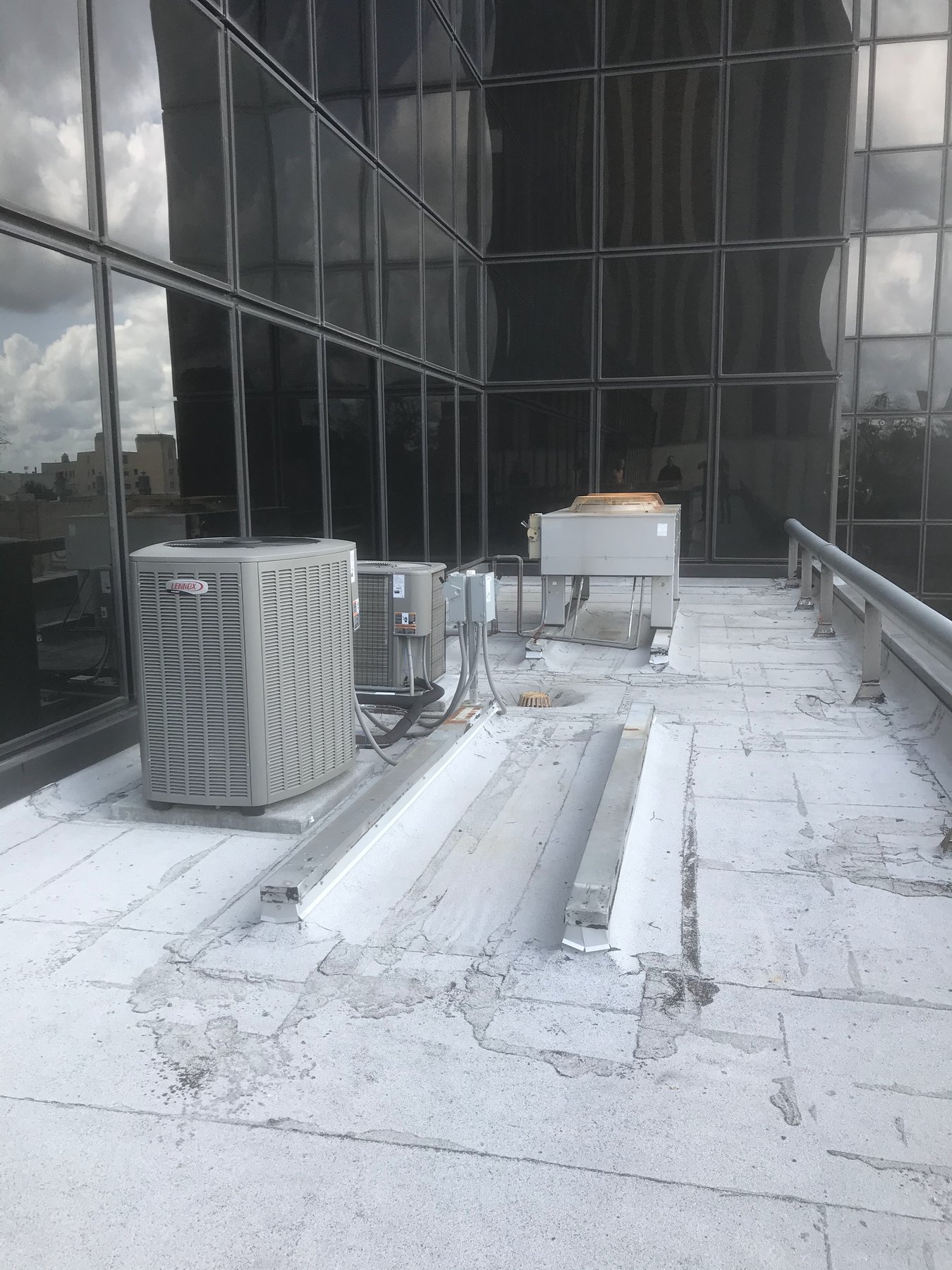
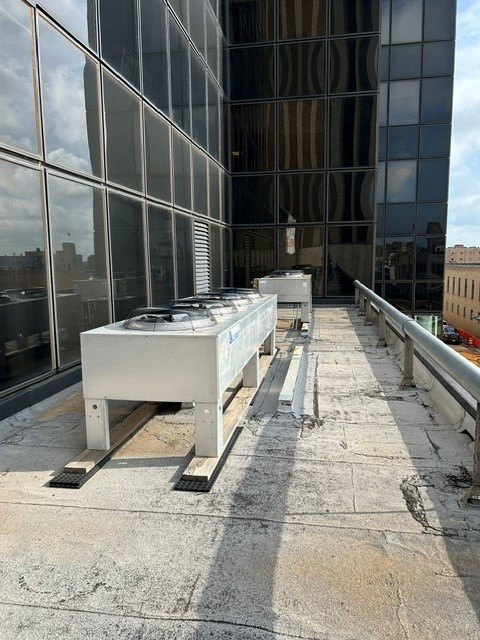
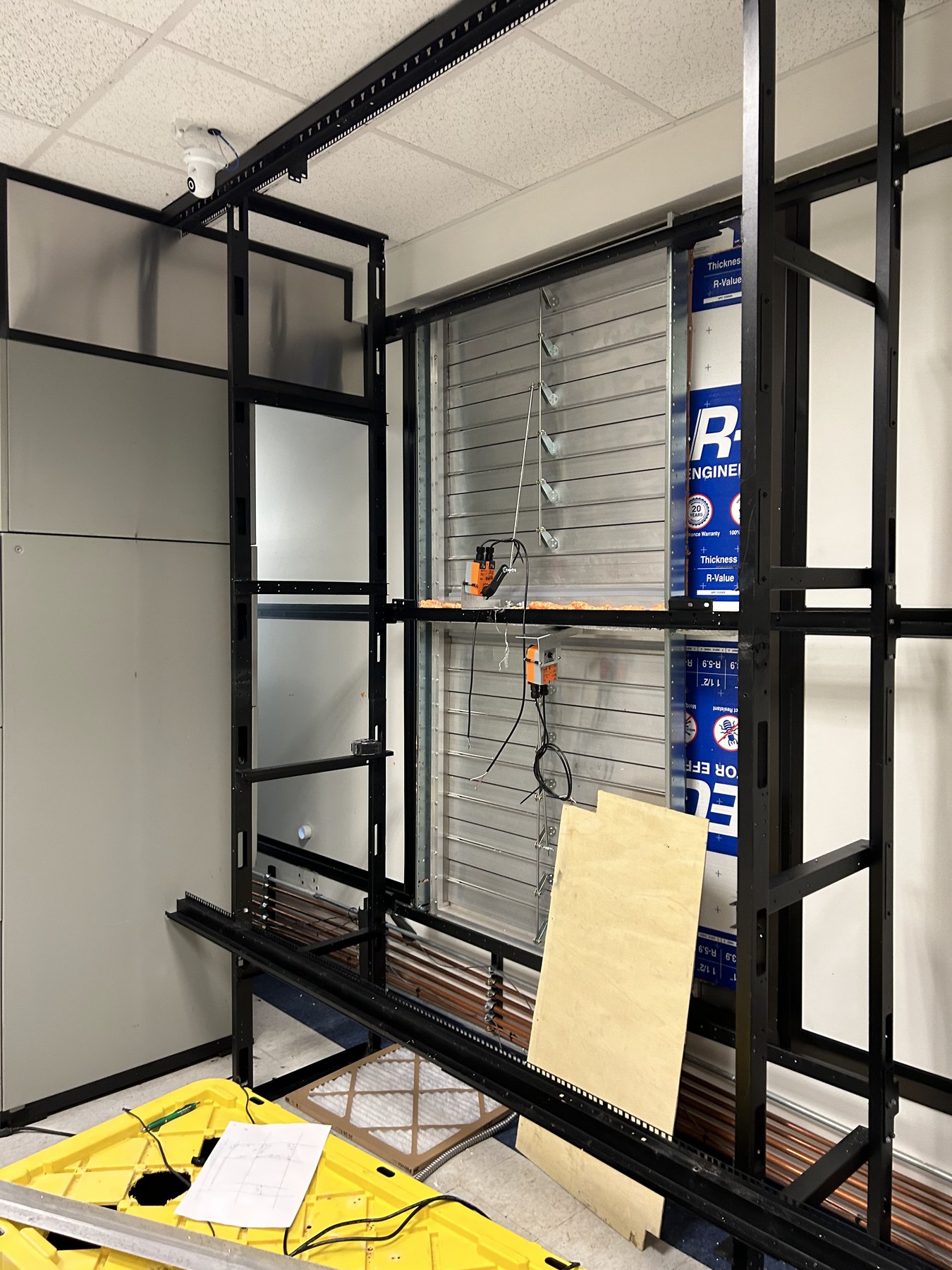
We upgraded the outside cooling systems with low-noise Liebert closed-loop cooling units placed to not be visable from the new green space of the downtown square. These systems do not require water for cooling, which improves efficiency and reduces resource usage.
To further improve cooling efficiency and help protect the datacenter and environment, we installed internal window shields. These shields help reduce heat gain from direct sunlight and provide an added layer of protection for the facility.
For customers who need an additional level of redundancy, Tyler Vault also has a direct fiber connection to the vault datacenter located in the basement. This allows customers to split systems between both datacenter spaces. We provide cages, racks, or per-U space to house servers and backups.
Power infrastructure
Redundant N+1 power protection.
We upgraded the datacenter power infrastructure with dual APC Symmetra systems configured for redundant N+1 protection. This provides reliable backup power and helps protect customer equipment, carrier infrastructure, and critical network systems. We also have DC power available.
Since opening, Tyler Vault Datacenter has maintained 100% uptime. The datacenter is supported by its own generator and the Plaza Tower is served by dual power grids, and we also have an onsite standby generator for additional backup protection.
Monitoring and fire protection
Environmental monitoring and FM-200 protection.
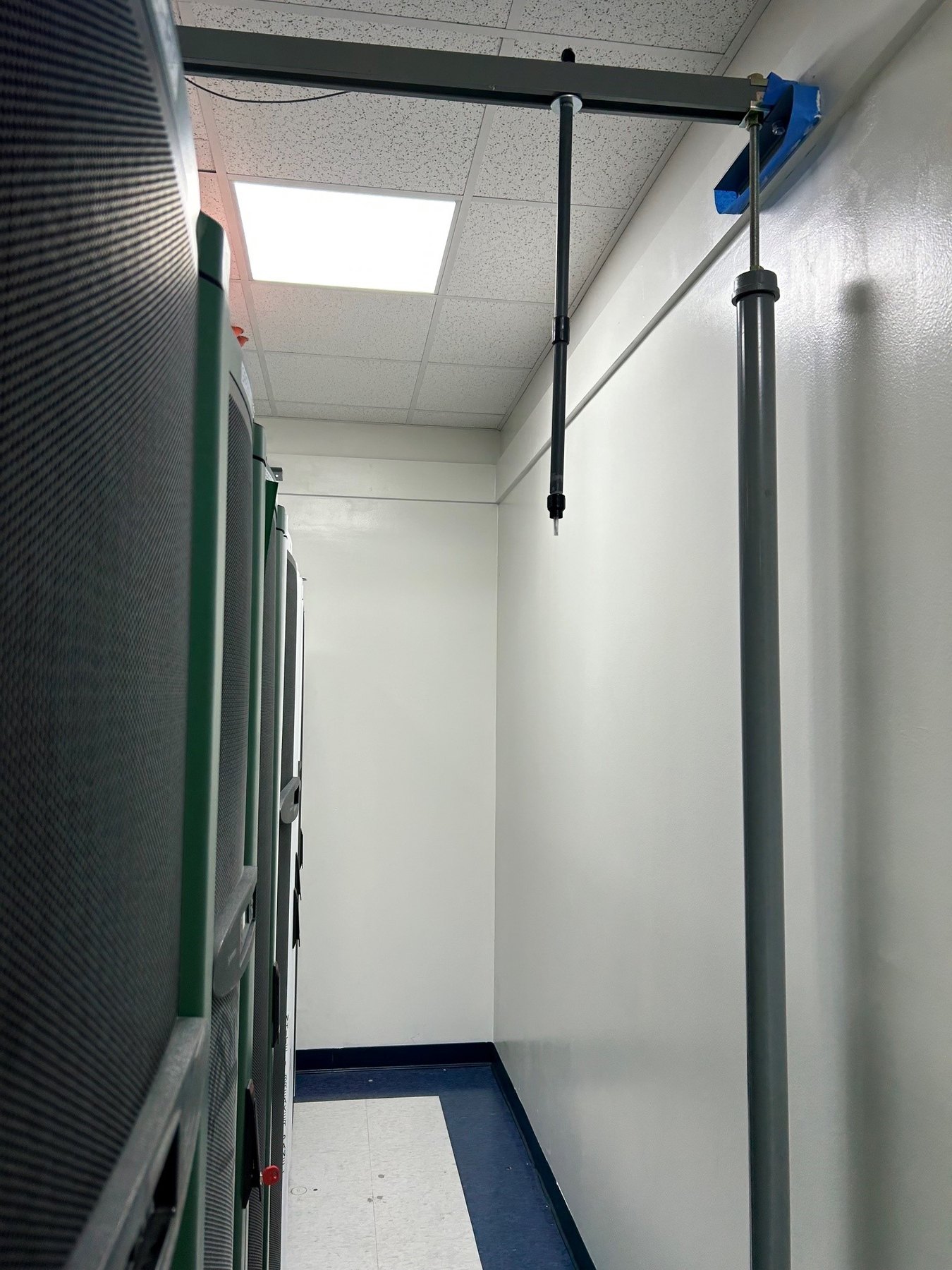
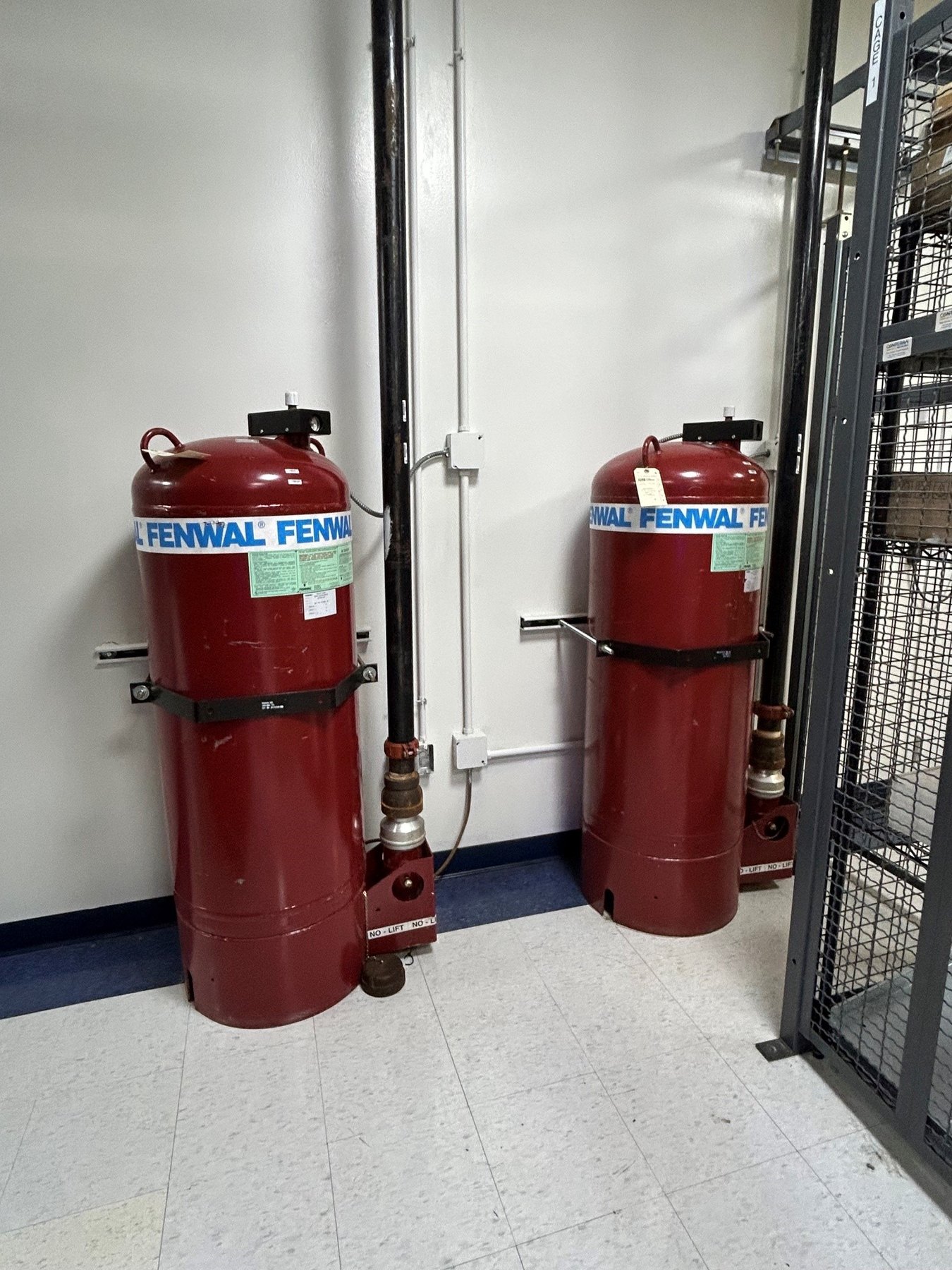
Additional upgrades included updating the FM-200 fire suppression system and installing an environmental monitoring system throughout the datacenter.
The monitoring system tracks temperature and humidity conditions above and below the ceiling, along each equipment row, and at both inbound and outbound air points. This helps us monitor temperature, airflow, and environmental conditions so your equipment can perform at peak operation and last longer.